Thursday, October 1, 2026


®
The World's Local News Source®
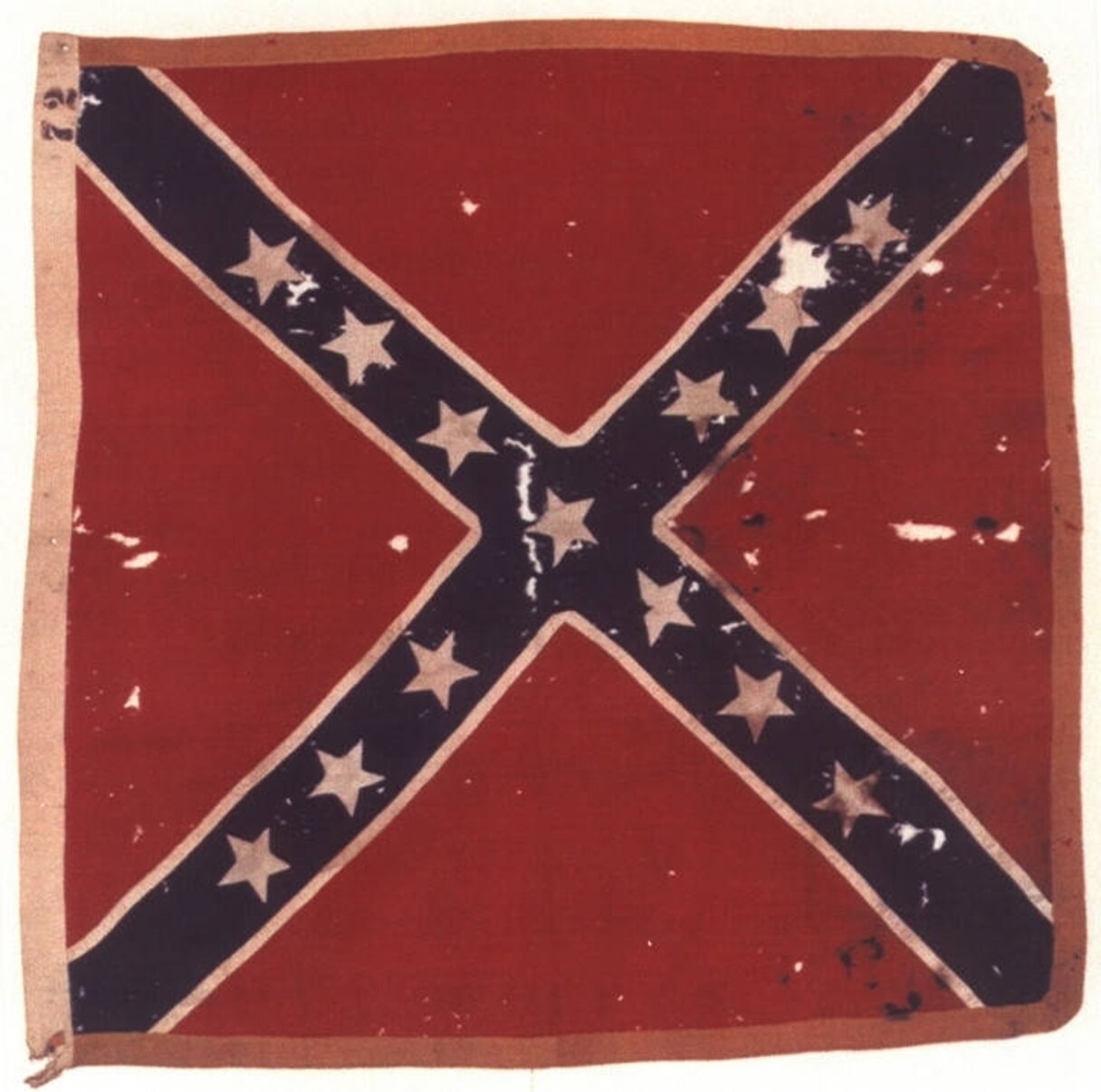
Step back into the summer of 1863. The 10th Alabama Infantry, CSA, is on the march—tired, proud, and determined to erase a stain on its honor. What follows is a reimagined account of the regiment’s movements, unfolding moment by moment.
The 10th Alabama has already seen battle at Dranesville, Williamsburg, Gaines Mill, Frayser’s Farm, Second Manassas, and Sharpsburg. But on May 4, 1863, near Salem Church, Virginia, during the Chancellorsville Campaign, the regiment falters under pressure, is thrown into confusion, and is forced to give way. That moment leaves a black mark on an otherwise steady record. As the regiment marches into Pennsylvania, its men are focused on redemption. Their performance at Gettysburg, this author believes, wipes the slate clean.
Arriving at Fayetteville, Pennsylvania, on June 28, 1863, under the command of Col. William Forney, the regiment gets some rest after the long marches from Fredericksburg, Virginia, twelve days earlier. On the morning of July 1, the men fall into line and march toward Gettysburg. They cross South Mountain, pass through Cashtown Gap, and, as they near Gettysburg, hear the thunder of artillery in the distance. They quicken their pace, preparing their minds for what lies ahead.

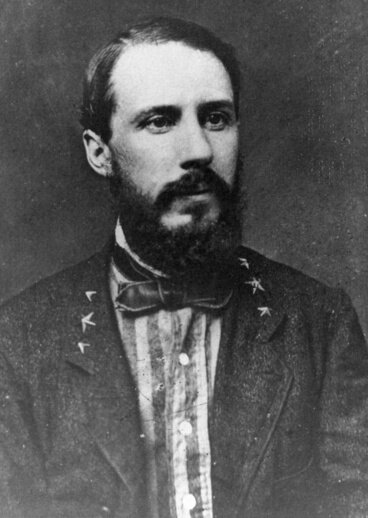
Brig. Gen. William Forney, later an Alabama state senator
Public Domain
|

Lt. Gen. Richard Heron Anderson
Public Domain
|
Col. Edward Porter Alexander
Public Domain
|
Late that afternoon, the 10th Alabama reaches Knoxlyn Ridge—2 miles west of Gettysburg—along with the rest of Confederate Maj. Gen. Richard H. Anderson’s division. They miss the first day’s fight and are held in reserve. Their chance to restore their honor must wait another day.
At sunrise on July 2, the regiment moves along the Chambersburg Pike, leading the brigade of Confederate Brig. Gen. Cadmus Wilcox. Pvt. James M. Scott of the 10th Virginia Cavalry later writes that the 10th Alabama is placed in front “to redeem itself from a former slur at Salem Church.” Forney's orders are to shift to the right flank of the Confederate line, forming in the woods along Seminary Ridge. The 11th Alabama takes position to their left, overlooking an open field—both units facing south.
The 10th Alabama begins its advance through the woods, but thick underbrush slows their progress, and the 11th Alabama pulls ahead. As the 11th swings east, it comes under sharp flanking fire from the 1st U.S. Sharpshooters and 100 men of the 3rd Maine Infantry. The 11th stumbles back in confusion. But the 10th, determined not to repeat Salem Church, presses forward, driving the Union troops from the woods. In the short, violent clash, the regiment suffers 38 casualties, including Colonel Forney, who is wounded.
General Wilcox offers his thanks: “From my heart I thank you and to your gallant regiment I pull off my hat.” But the regiment’s work on this day is far from over.
After a brief rest in the afternoon heat, the 10th Alabama receives new orders. At 6:15 p.m., the regiment advances again—this time toward the Emmitsburg Road. Once the road is cleared of Union resistance—what Wilcox calls a “brisk musketry fight”—the regiment continues its push. Exhausted, the men reach Plum Run and approach the main Union battle line at the western base of Cemetery Ridge. There, their advance stalls. The men take shelter behind rocks and trees as the 111th New York Infantry strikes their right flank. The 10th falls back to its original position at the Henry Spangler Farm. Colonel Forney, already wounded, is struck two more times in Plum Run Valley and is captured. He will not return to the regiment until late 1864.
On July 3, Lt. Col. James E. Shelley assumes command. A seasoned officer, Shelley has led the regiment in prior engagements and now prepares them for what lies ahead. That morning, General Wilcox orders the brigade forward to support Col. Edward Porter Alexander’s artillery in preparation for a massive cannonade along the Emmitsburg Road.
 An engraving of General Pickett's famous charge at Gettysburg
Public Domain
An engraving of General Pickett's famous charge at Gettysburg
Public Domain
At 1 p.m., the great barrage begins. The men of the 10th Alabama stand ready in the stifling summer heat. Around 3 p.m., the Confederate infantry advance—known to history as Pickett’s Charge—commences. General Pickett’s division moves past the Alabamians. Thirty minutes later, the 10th Alabama and the rest of Wilcox’s brigade follow.
The regiment once again descends into Plum Run Valley. But the effort gains little and costs much. The men add their names to the growing casualty lists and are forced to fall back.
Of the 311 men who march to Gettysburg with the 10th Alabama, 104 become casualties. Yet at no point do they falter. In two days of hard combat, they redeem their honor—and erase the memory of Salem Church.


